
A mountain biker takes a corner too quickly and crashes into a tree. A hiker loses their footing on a rocky trail and injures an ankle. A paddler capsizes in cold water, or a camper suffers a serious burn while preparing dinner. In British Columbia’s vast wilderness, even a relatively ordinary injury can quickly develop into a serious emergency.
The province’s rugged mountains, expansive forests, remote lakes and spectacular coastline offer seemingly endless opportunities for outdoor recreation. But the very characteristics that make BC such an incredible place to explore can also make it difficult for emergency responders to reach someone in need.
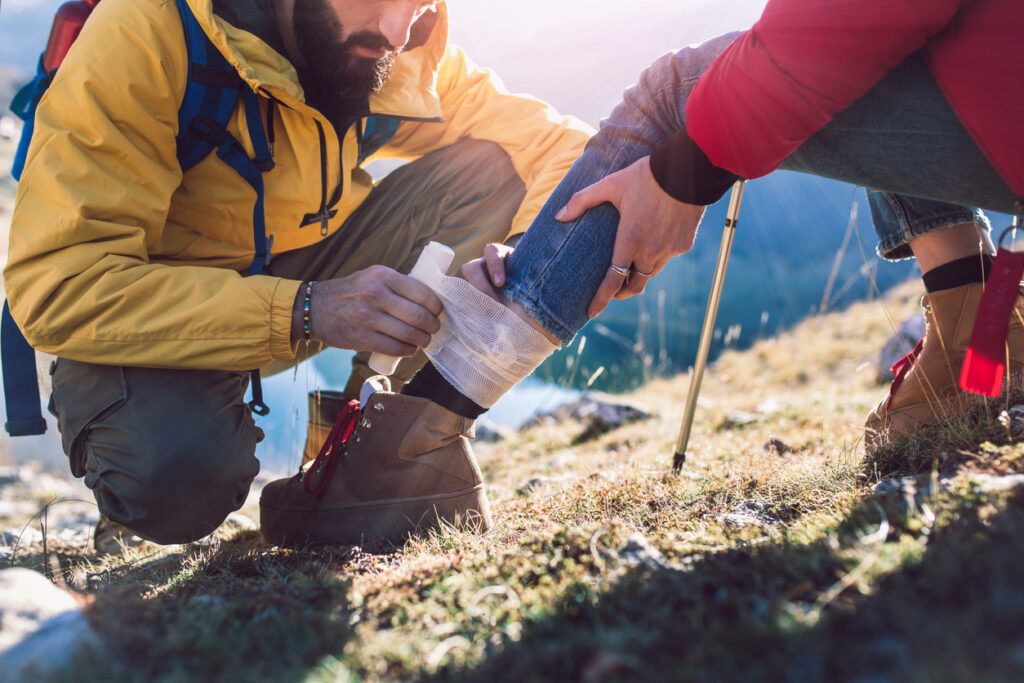 Photo by iStock
According to the BC Search and Rescue Association, the province’s 78 volunteer ground search and rescue groups responded to approximately 1,940 incidents in 2025. More than 3,200 volunteers collectively contributed over 500,000 hours. Depending on terrain, weather and accessibility, reaching an injured person can take several hours or longer.
For anyone who enjoys spending time outdoors, wilderness first aid training could be one of the most worthwhile investments they ever make.
First Aid Beyond The Pavement
Traditional first aid courses generally prepare participants to manage emergencies until professional medical assistance arrives. Wilderness first aid builds on those fundamental skills, taking into consideration the additional challenges of providing care in remote environments.
What happens when there is no cellphone reception? How do you keep an injured person warm when temperatures begin to drop? What if your first aid kit contains only a handful of supplies, or you must care for someone overnight before rescuers can reach you?
Wilderness first aid teaches participants to assess their surroundings, recognize potentially life-threatening conditions, manage injuries with limited resources and make informed decisions about evacuation. It also emphasizes injury prevention, problem-solving and the ongoing monitoring of an injured or ill person.
Importantly, you don’t have to venture deep into the backcountry to benefit from this training. Someone injured on a mountain biking trail just outside a community may still be in a location that is difficult for an ambulance crew to access. Distance from civilization is not always the best measure of how far you are from medical assistance.
Preparing For The Unexpected
The types of injuries and illnesses encountered outdoors vary considerably depending on the activity, terrain and season.
Hikers and backpackers may encounter blisters, sprains, fractures, dehydration and heat exhaustion. Mountain bikers face the possibility of head injuries, broken bones and significant wounds. Campers may experience burns, cuts or allergic reactions, while paddlers and anglers must contend with the dangers of cold-water immersion.
During BC’s colder months, hypothermia and frostbite become particular concerns for skiers, snowshoers, snowmobilers and winter hikers. However, hypothermia is not exclusively a winter hazard. Wet clothing, wind and prolonged exposure to cool temperatures can cause dangerous heat loss even during the summer.
An otherwise manageable injury can also create additional complications. A sprained ankle that prevents a hiker from walking may leave them exposed to deteriorating weather, darkness and falling temperatures. Recognizing and preventing these secondary problems is an important component of wilderness first aid.
Training also helps participants recognize when a situation is beyond their abilities and requires professional assistance.
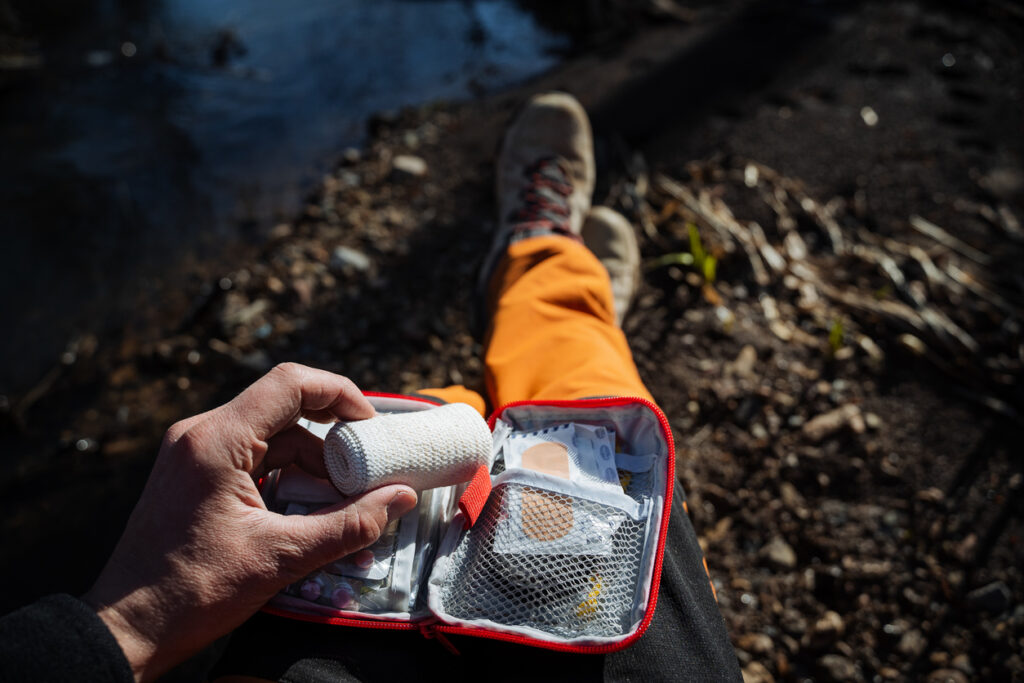 Photo by iStock
Learning By Doing
One of the most valuable aspects of wilderness first aid training is its practical approach. Rather than learning exclusively in a classroom, participants typically spend time outdoors working through simulated emergencies.
They may practise improvising splints, managing wounds, protecting an injured person from the elements or assessing someone who has suffered a fall. Scenarios encourage participants to think critically, communicate clearly and make decisions under pressure.
The Canadian Red Cross offers three levels of wilderness and remote first aid training:
Remote First Aid (20 hours): An excellent starting point for recreational outdoor enthusiasts. The course covers first aid, CPR, injury prevention, patient assessment, evacuation and strategies for providing extended care.
Wilderness First Aid (40 hours): A more comprehensive course suited to those undertaking challenging backcountry adventures or assuming responsibility for others. It places additional emphasis on leadership, decision-making and group safety.
Wilderness First Responder (80 hours): Advanced training intended primarily for outdoor professionals, expedition leaders and individuals working in remote environments where access to medical care may be significantly delayed.
Other wilderness medicine organizations offer similar training, although course names, durations and certification requirements vary. Courses are available through training providers and educational institutions throughout British Columbia.
Building A Backcountry First Aid Kit
Carrying a first aid kit is essential, but knowing how to use its contents is equally important.
A well-equipped outdoor first aid kit should include:
- Adhesive bandages in assorted sizes
- Sterile gauze and wound dressings
- Medical tape
- Pressure bandages
- Elastic and triangular bandages
- Disposable medical gloves
- Antiseptic wipes
- Tweezers and trauma shears
- Blister treatment supplies
- A CPR barrier mask
- An emergency blanket
- Personal medications
- A compact first aid reference guide
The contents should be tailored to the activity, number of people in the group, length of the trip and anticipated environmental conditions. A mountain biker heading out for an afternoon ride will likely pack differently than a group embarking on a week-long backpacking trip.
Keep supplies in a waterproof or water-resistant container, check expiration dates regularly and replace items as they are used. Make sure everyone in your group knows where the first aid kit is stored.
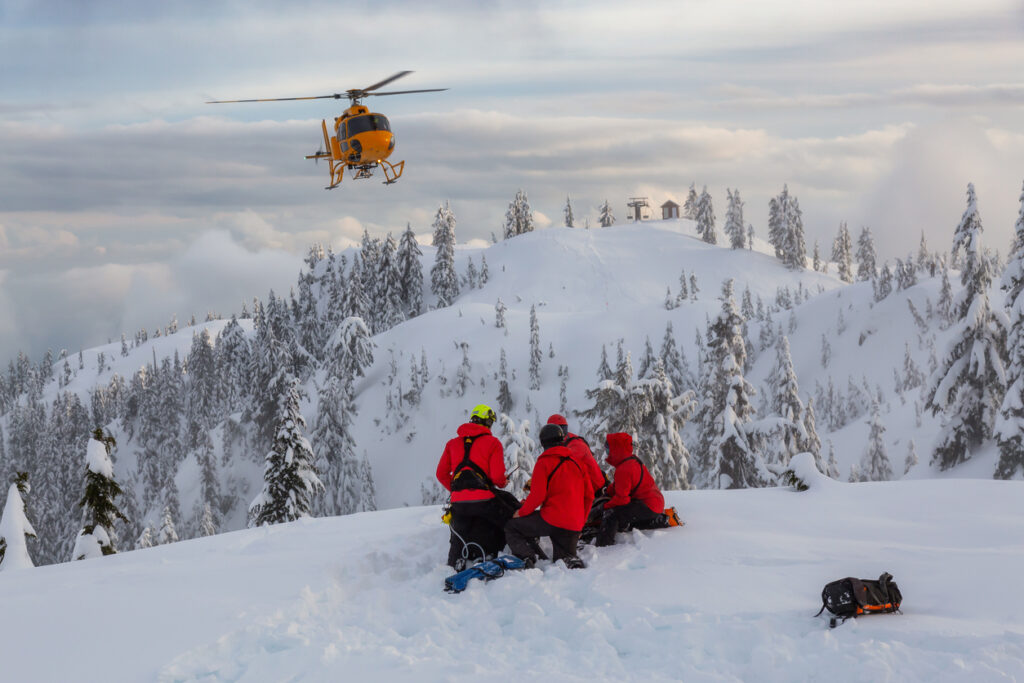 Photo by iStock
Prevention Is The Best Medicine
Wilderness first aid begins long before an injury occurs.
AdventureSmart, a national outdoor safety program, encourages outdoor enthusiasts to follow the three Ts: trip planning, training and taking the essentials.
Before leaving home, share your intended route and anticipated return time with someone you trust. Check weather forecasts and trail conditions, carry adequate food and water, bring appropriate clothing and ensure your skills match the demands of your chosen activity.
In areas without reliable cellphone reception, a satellite communication device or personal locator beacon can provide a vital connection to emergency services. However, being able to summon assistance does not guarantee rescuers will arrive immediately.
Outdoor enthusiasts should also carry enough supplies to withstand an unexpected delay or overnight stay, even when planning a relatively short outing.
BC’s search and rescue volunteers provide an invaluable service, but personal preparedness remains one of the most important aspects of responsible outdoor recreation.
Wilderness first aid training is a skill that travels with you, whether you’re exploring Vancouver Island’s coastal trails, riding through the forests surrounding Squamish, camping in the Cariboo or hiking among the peaks of the Canadian Rockies.
Unlike many pieces of outdoor equipment, it’s light, takes up little room in your backpack and could ultimately save a life.