
Every summer, a quiet transformation unfolds across British Columbia’s mountains.
As winter snow retreats from alpine slopes and subalpine meadows, seemingly barren landscapes erupt into colour. Purple lupines, crimson paintbrushes, yellow glacier lilies and delicate mountain heathers emerge from the thaw, creating one of the province’s most spectacular – and fleeting – natural displays.
For a few short weeks, BC’s high country becomes a living tapestry.
Wildflower season varies from year to year depending on snowfall, elevation and spring temperatures, but blooms generally begin appearing in lower-elevation alpine areas in June before reaching their peak in July and August. In higher elevations, particularly in the Interior and Rocky Mountains, displays can continue well into September.
“The flowers follow the snow,” explains the common refrain among mountain hikers. As snow melts, blooms appear in succession, creating a moving wave of colour that gradually climbs the mountainsides throughout the summer.
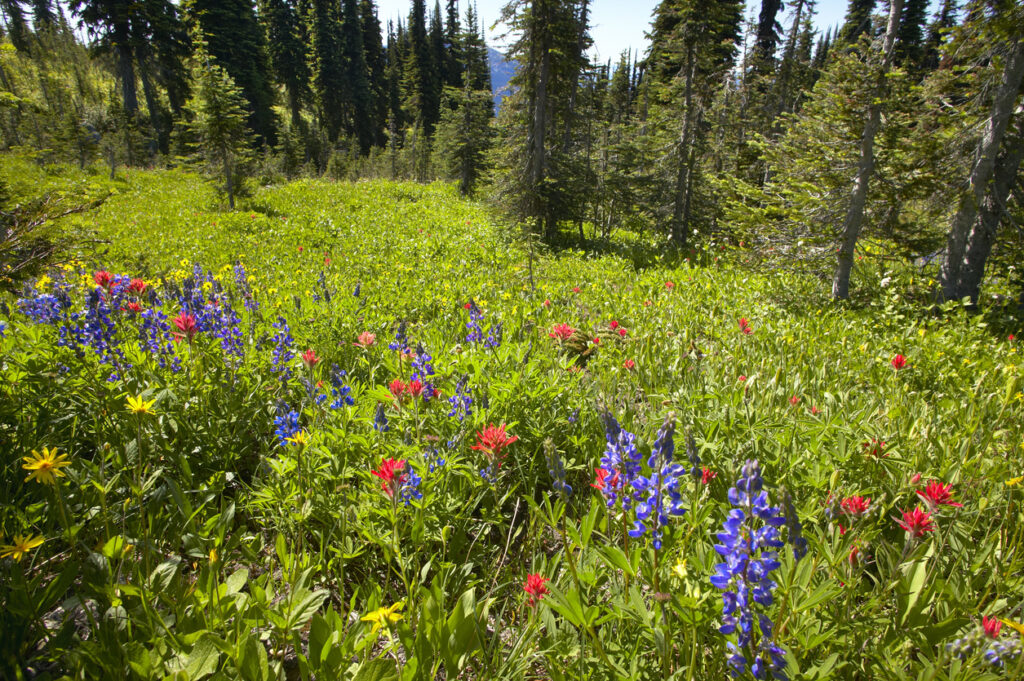 Photo by iStock
Why Wildflowers Matter
While wildflower season attracts photographers and hikers from around the world, these blooms play a far greater role than simply creating beautiful scenery.
Alpine and subalpine wildflowers provide essential food sources for native pollinators, including bees, butterflies and hummingbirds. Their deep root systems help stabilize fragile mountain soils, reduce erosion and contribute to healthy watershed ecosystems.
Because alpine environments have such short growing seasons, many species have adapted remarkable survival strategies. Some flowers complete their entire life cycle in just a few weeks after snowmelt, while others are capable of blooming despite freezing nighttime temperatures.
The result is a biodiversity hotspot packed into a very short summer window.
Mount Revelstoke’s Famous Meadows
Few places in British Columbia are as synonymous with wildflower season as Mount Revelstoke National Park.
The park’s renowned Meadows in the Sky Parkway allows visitors to drive from inland rainforest to alpine meadows in less than an hour. By late July and early August, the park’s high-elevation meadows are often blanketed in colour. Peak blooms vary annually depending on snowpack, but July and August are generally considered the prime viewing months.
Visitors may encounter arctic lupine, Indian paintbrush, glacier lily, sitka valerian, mountain heather and western anemone among dozens of other species. Parks Canada notes that some flowers, including lupines and paintbrushes, can be found across multiple elevations, while others are restricted to alpine meadows and rocky slopes.
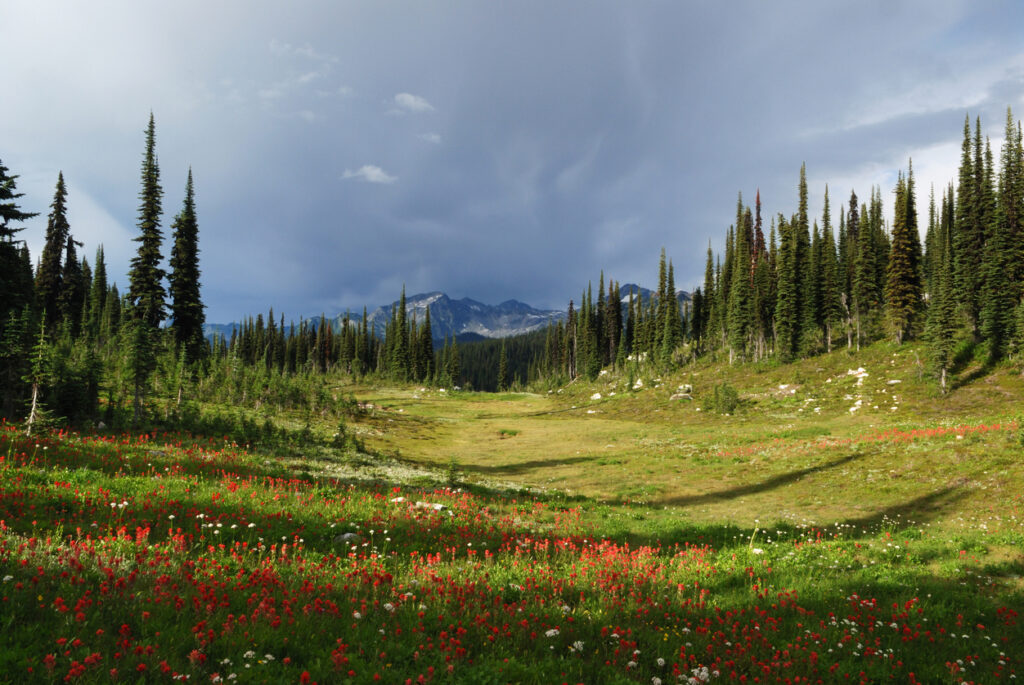 Photo by iStock
Manning Park’s Summer Spectacle
A few hours east of Vancouver, E. C. Manning Provincial Park offers one of the province’s most accessible wildflower experiences.
The park is renowned for its midsummer displays of subalpine flowers. Trails such as the Heather Trail and Skyline Trail traverse expansive meadows that burst into bloom as the snow disappears. Peak flowering typically occurs from late June through August, although timing can vary significantly with seasonal conditions.
The park’s diverse landscapes – from coastal-influenced forests to alpine ridges – support an impressive variety of flowering plants throughout the season.
Hidden Gems Across The Province
Wildflower enthusiasts often focus on famous destinations, but remarkable displays can be found throughout British Columbia.
The Selkirk and Monashee mountain ranges surrounding Revelstoke offer countless alpine hiking opportunities where paintbrushes, lupines and asters colour mountain meadows.
In southeastern BC, alpine meadows in and around Glacier National Park support more than 500 species of flowering plants. Visitors who arrive between late July and mid-September are often rewarded with extensive displays of alpine blooms.
Closer to the coast, subalpine meadows in Mount Seymour Provincial Park provide opportunities to view alpine flowers without venturing deep into the backcountry.
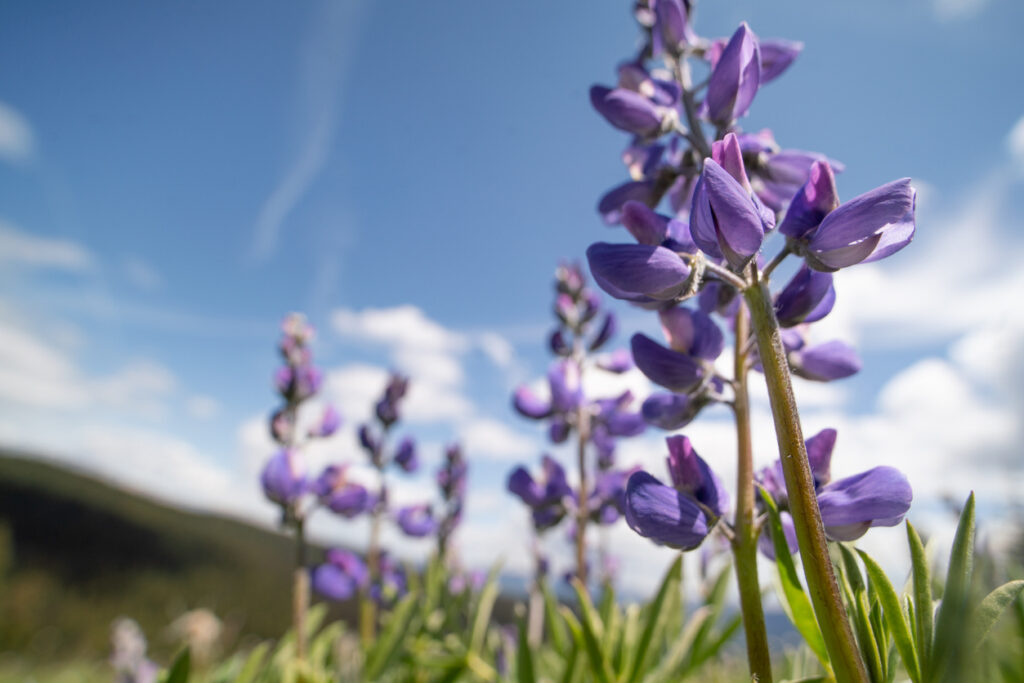 Photo by iStock
Protecting A Fragile Landscape
The beauty of alpine wildflowers comes with a responsibility.
Mountain ecosystems are among the most fragile environments in British Columbia. Many alpine plants grow slowly and can take years to recover from a single misplaced footstep. Staying on designated trails helps prevent damage to delicate vegetation and soils.
Visitors are also encouraged to leave flowers where they grow. Picking wildflowers is prohibited in national parks and protected areas, and removing blooms can affect pollinators and seed production.
Photography, however, is strongly encouraged.
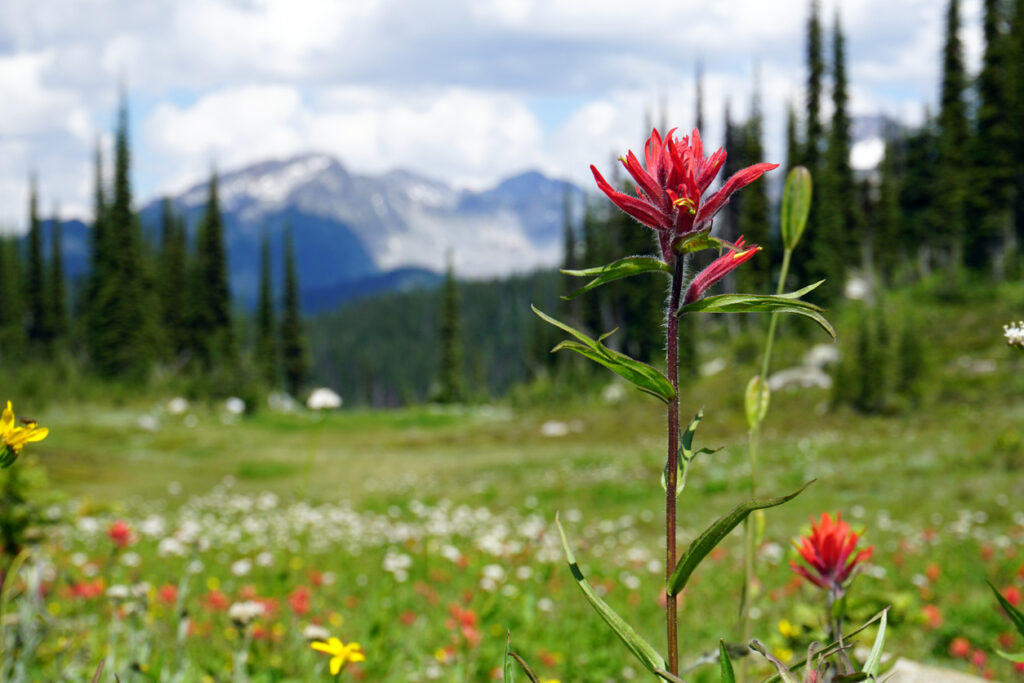 Photo by iStock
A Season Worth Chasing
In a province famous for towering peaks, old-growth forests and rugged coastlines, wildflower season remains one of British Columbia’s most underrated natural spectacles.
For a brief window each summer, the mountains trade their lingering snowfields for vibrant carpets of colour. Whether you’re standing in a meadow high above Revelstoke, hiking through Manning Park’s alpine ridges or discovering a hidden patch of lupines along a mountain trail, the experience serves as a reminder that some of BC’s most extraordinary moments are also its most fleeting.
And that’s part of the magic.
By the time autumn arrives, the flowers will be gone, hidden once again beneath snow and ice, waiting for another summer to return.
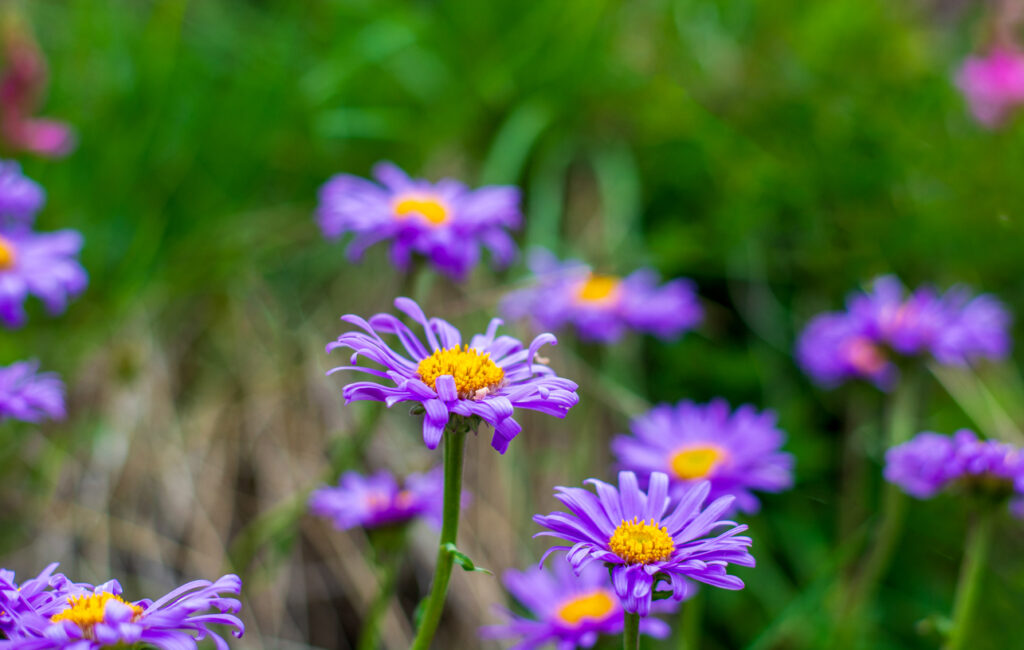 Photo by iStock