
Spring in British Columbia is a study in contrast. Snow still clings to alpine ridges while valley trails bloom with skunk cabbage and salmonberry. Waterfalls surge. Migratory birds return. And in many corners of the province, there’s something increasingly rare in high season: quiet.
Before school holidays and peak summer travel begin, April through early June can offer a more reflective way to experience BC — with fewer crowds, lower accommodation pressure in some regions, and landscapes at their most dynamic. For residents and visitors alike, spring is an opportunity to see the province differently.
Here are five places where spring brings both spectacle and stillness.
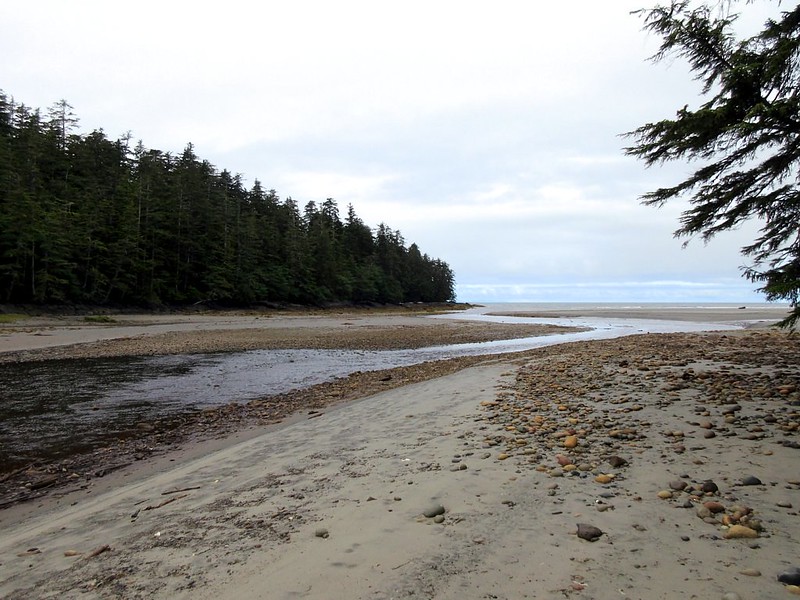 Photo by David Stanley, Flickr: The Hiellen River in Naikoon Provincial Park.
-
Haida Gwaii In The Shoulder Season
Off the northwest coast of BC, Haida Gwaii is often described as otherworldly — a chain of more than 150 islands shaped by wind, ocean and deep cultural history.
Spring brings long daylight hours, migrating birds, and fewer visitors than peak summer. It’s also a season of heightened sensitivity: much of the archipelago includes protected areas such as Gwaii Haanas National Park Reserve, co-managed by the Council of the Haida Nation and Parks Canada. Some cultural sites require permits and guided access, and weather can change quickly.
For travellers, that means planning ahead — and travelling respectfully. For locals, spring can feel like a return to rhythm before summer activity increases. Beaches in Naikoon Provincial Park are often windswept and wide open in April and May, with long stretches of sand and surf that reward patience and proper rain gear.
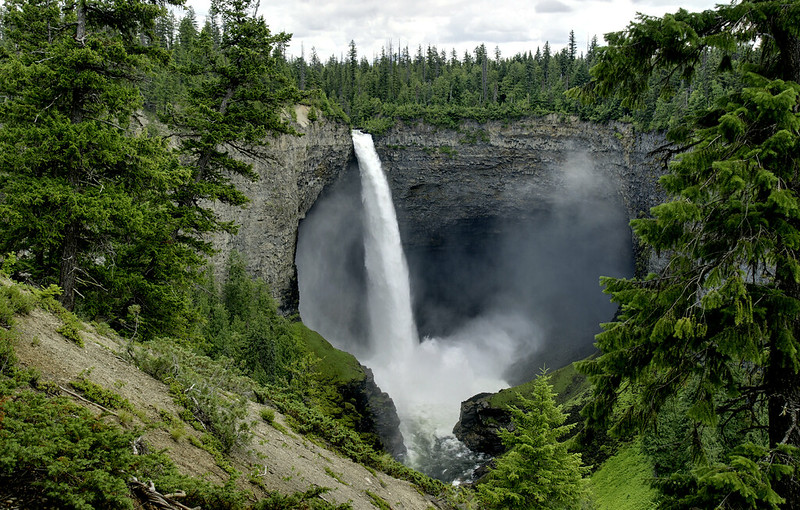 Photo by Stefan Jürgensen, Flickr: Helmcken Falls.
-
Wells Gray Provincial Park’s Waterfall Season
Located near Clearwater in the North Thompson region, Wells Gray Provincial Park is known as the “Waterfall Park.” It contains more than 40 named waterfalls, including the dramatic Helmcken Falls, which drops 141 metres into a canyon carved by the Murtle River.
Spring snowmelt transforms these falls. By late April and May, runoff typically increases water volume, making this one of the most powerful times to visit. While summer sees heavier traffic — especially from RV travellers — spring weekdays can be notably quieter on popular viewpoints and short trails.
Visitors should check road conditions before travelling; some backcountry routes and higher-elevation trails may remain snow-covered into late spring.
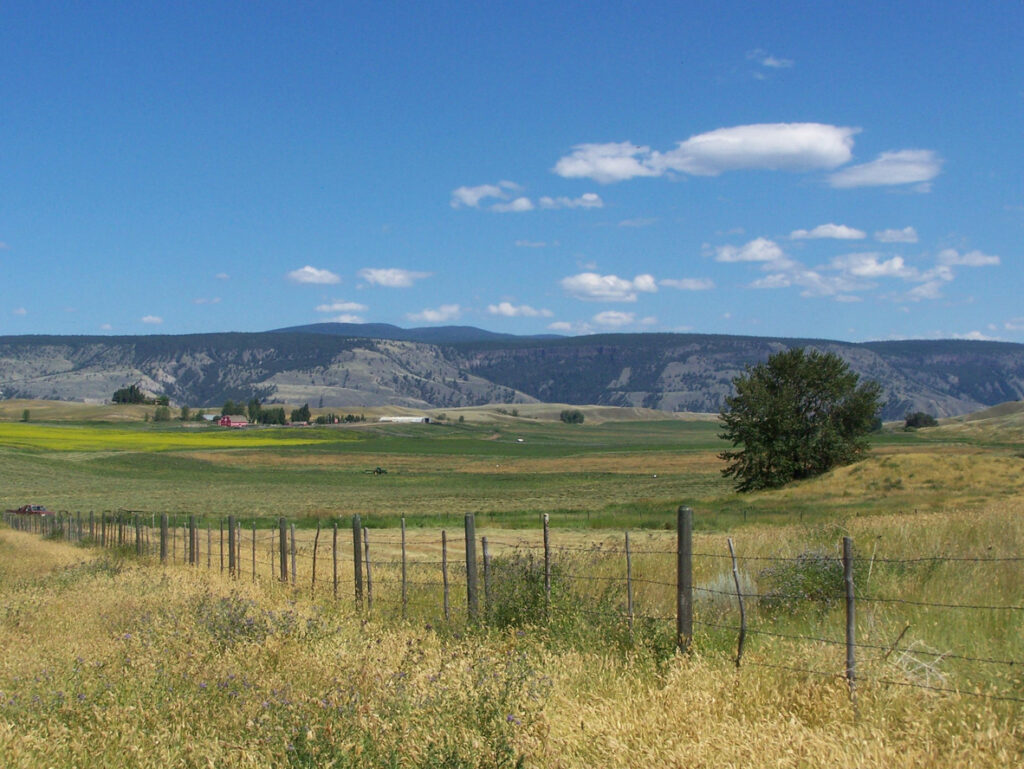 Photo by iStock: Chilcotin Plateau
-
The Chilcotin Plateau’s Wide-Open Season
West of Williams Lake, the Chilcotin Plateau stretches toward the Coast Mountains in a mosaic of grasslands, forests and river canyons.
Spring here arrives later than on the coast, but when it does, the landscape shifts quickly. Snow recedes from lower elevations, wildflowers begin to appear in open grasslands, and ranching communities prepare for a busy season ahead.
The Chilcotin is known for its remoteness. Services can be limited outside main communities, and road conditions — particularly on gravel routes — depend on weather. That remoteness, however, is part of the draw. With fewer tour buses and less structured tourism infrastructure than major mountain destinations, the region offers space in both the physical and mental sense.
Travellers should ensure vehicles are appropriate for rural roads and respect private land boundaries, which are common across ranching country.
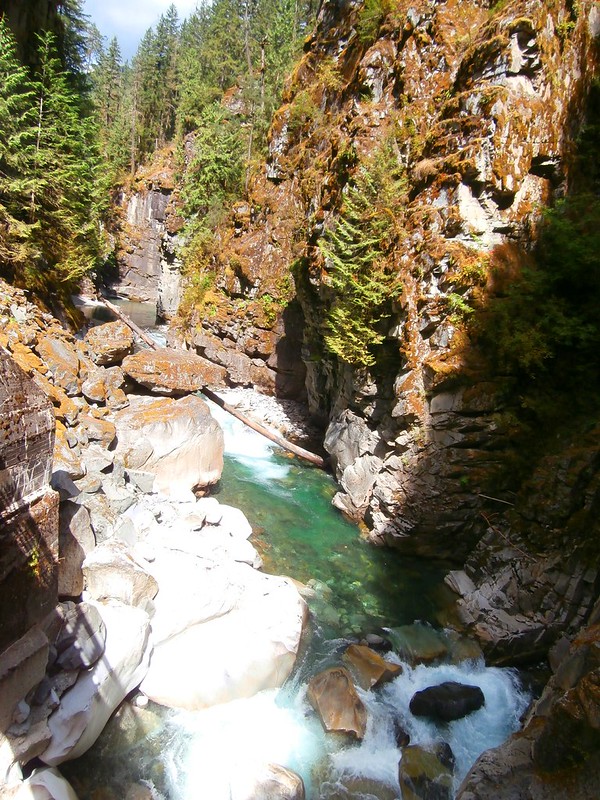 Photo by Jennifer C, Flickr: Kettle River.
-
Boundary Country’s Blooming Valleys
Tucked along the southern Interior near the U.S. border, Boundary Country includes communities such as Grand Forks and Greenwood, and natural features like the Kettle River and Christina Lake.
Spring arrives early compared with northern regions. Orchard blossoms appear in parts of the valley, and the Kettle River swells with runoff. The area is also part of the Trans Canada Trail network, drawing cyclists and walkers once trails dry out.
While summer brings more lake traffic, spring offers quieter shoreline walks and shoulder-season accommodation rates in some communities. As always, river levels can be high and cold during snowmelt; caution is essential near fast-moving water.
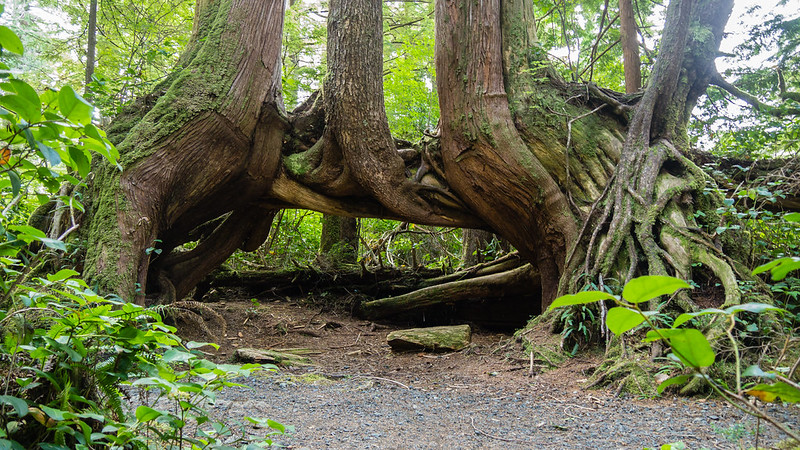 Photo by Peter Lademann, Flickr: Cape Scott Provincial Park.
-
Northern Vancouver Island Before The Rush
Beyond Nanaimo and Campbell River, northern Vancouver Island feels distinctly less urban. In spring, forest trails are damp and vivid, with mosses and ferns thriving in cool temperatures.
Destinations such as Cape Scott Provincial Park and San Josef Bay attract hikers in summer, but April and May visits can offer greater solitude — weather permitting. Ferry schedules and road conditions should be checked in advance, and coastal storms remain possible through spring.
Communities like Port Hardy and Port McNeill serve as gateways to backcountry trails and marine environments, with local businesses typically ramping up as summer approaches.
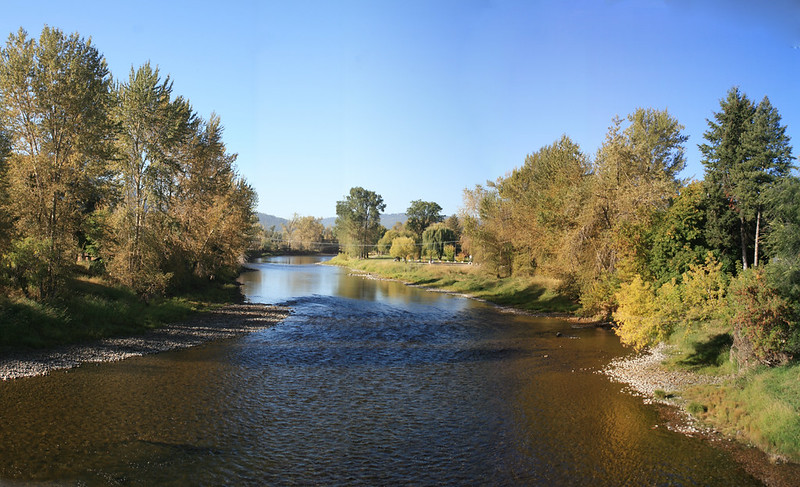 Photo by Bob V, Flickr: Kettle River.
Why Spring Quiet Matters
Travel trends in recent years have highlighted both the economic importance of tourism and the strain that peak-season visitation can place on infrastructure and ecosystems. Spring shoulder travel spreads that impact more evenly across the calendar, supports local businesses outside the busiest months, and allows visitors to experience landscapes without peak-season congestion.
It also demands preparation. Many high-elevation trails remain snowbound into June. Wildlife is active, and animals emerging from winter are particularly sensitive to disturbance. Conditions can shift rapidly, especially in coastal and mountain environments.
For residents, spring can be a reminder that some of the province’s most compelling moments arrive before summer arrives in force. For visitors, it’s a chance to experience British Columbia not as a checklist, but as a season in motion.
In a province defined by dramatic geography, spring offers something subtler: waterfalls at their strongest, valleys in bloom, and coastlines where the loudest sound might still be the wind.