Off the rugged northeastern coast of Vancouver Island, where the Inside Passage narrows into Queen Charlotte Strait, a small cluster of forested islands sits quietly in the path of coastal boats. To modern travellers, they are simply part of the wild scenery north of Port Hardy.
But the name Deserters Island hints at a far darker story.
The island belongs to the Deserters Group, a scattering of small islands that gained their name from a violent episode tied to the early colonial era of British Columbia.
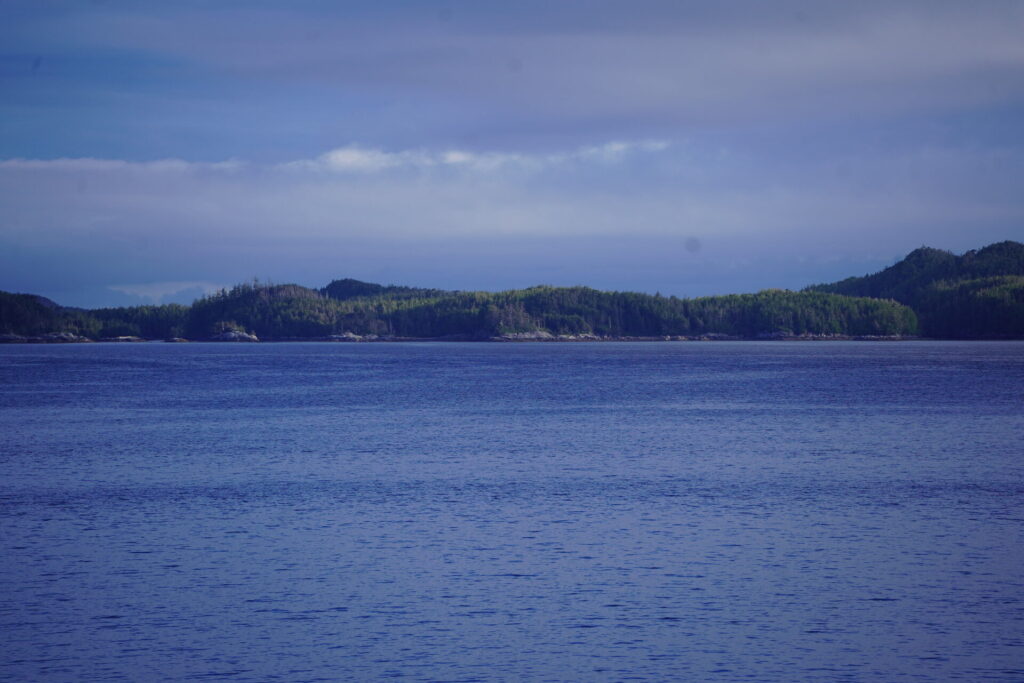 Photo by Ken Lund, Flickr
A Gold Rush Temptation
The story dates back to the mid-19th century, when the British Columbia coast was still dominated by the fur trade and maritime routes run by the Hudson’s Bay Company.
According to records compiled by the BC Geographical Names Office, several crew members aboard the Hudson’s Bay Company vessel Norman Morrison deserted the ship while it was operating near the northern end of Vancouver Island. News of gold discoveries on the mainland — the early rumblings of what would become the Cariboo Gold Rush — had spread along the coast, and the sailors hoped to make their way inland in search of fortune.
Eight men fled the vessel and took refuge among a cluster of small islands in Queen Charlotte Strait.
They never made it to the goldfields.
A Deadly Search
Accounts of what happened next vary, but historical sources agree that the deserters were eventually found and killed.
One widely repeated story suggests the ship’s captain offered a reward for the return of the deserters “per head.” According to later retellings, the phrase may have been misunderstood literally by those sent to retrieve them, resulting in the men being killed rather than captured.
Another version suggests a bounty was offered for the deserters “dead or alive.” However, Richard Blanshard, the first governor of the Colony of Vancouver Island, later dismissed that claim as unfounded.
Regardless of the precise details, the outcome was grim. The men were killed on the islands where they had tried to hide.
In the years that followed, the area became known as the Deserters Group, and the name eventually appeared on nautical charts and official maps of the B.C. coast.
Names That Linger
The incident left other traces on the region’s geography.
Nearby features are believed to preserve the names of some of the deserters. Wishart Island and the Wishart Peninsula, for example, are thought to reference one of the sailors, James Wishart. Willoughby Rock is believed to be named for another crew member.
These place names remain scattered through the waters north of Vancouver Island, quiet reminders of an episode that unfolded more than 160 years ago.
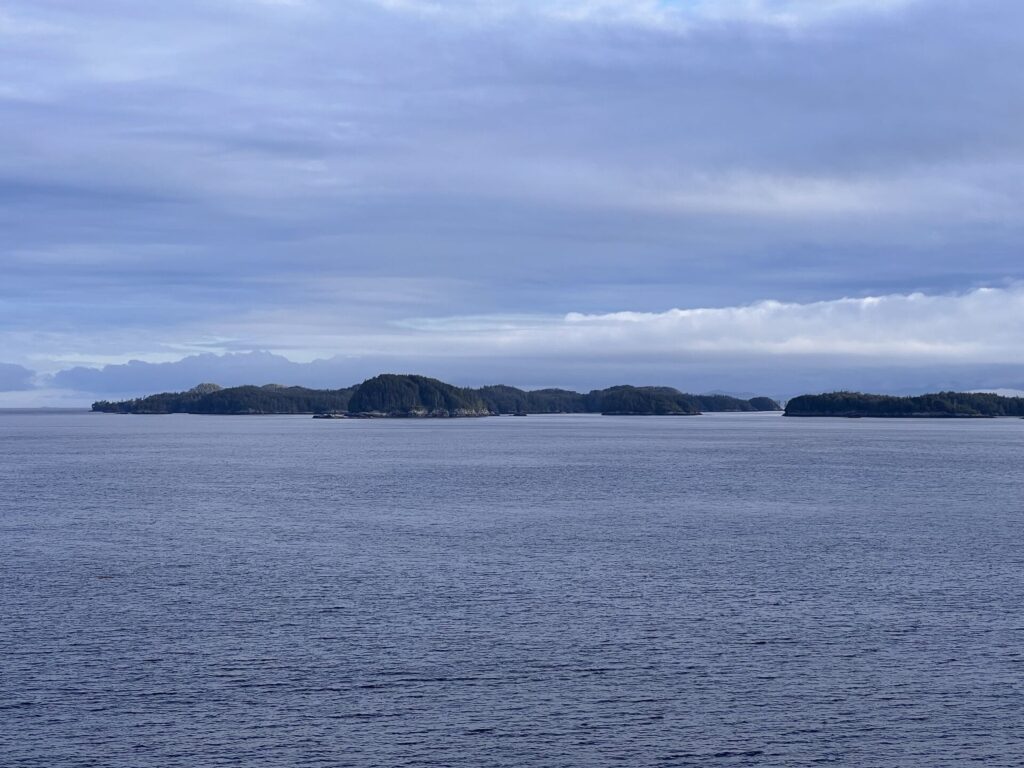 Photo by Ken Lund, Flickr
A Much Older History
Long before the tragic encounter that gave the islands their modern name, the region was part of the traditional territory of the Gwa’sala-’Nakwaxda’xw First Nation. Archaeological and cultural records indicate that the islands and surrounding waters were used for generations as seasonal harvesting areas and village sites.
Today the islands lie within the Mahpahkum-Ahkwuna / Deserters-Walker Conservancy, a protected area established in 2006 to preserve the ecological and cultural significance of the region.
The conservancy protects coastal rainforest, marine habitat and wildlife corridors along a stretch of the Inside Passage used by migrating whales, seabirds and coastal vessels.
A Quiet Place With A Violent Past
Today, Deserters Island is largely untouched wilderness. Dense coastal forest covers the islands, and passing boaters are far more likely to encounter seals or seabirds than any sign of human activity.
Yet the name remains one of the more chilling on British Columbia’s coastline — a reminder of the unpredictable and often dangerous early years of colonial exploration and trade along the Pacific coast.
For travellers navigating the Inside Passage today, Deserters Island may appear peaceful. But the story behind its name is one of ambition, misunderstanding and violence — a small but haunting chapter in the history of the B.C. coast.
Sources
BC Geographical Names Office; BC Parks; historical references to the Hudson’s Bay Company vessel Norman Morrison and colonial accounts of Governor Richard Blanshard.