There’s a moment in British Columbia, just before summer arrives in full force, when the province feels like it belongs to you.
It’s the shoulder season: late spring and early fall, when the weather is often mild, the landscapes are in transition and the crowds haven’t yet – or no longer – taken over. Across BC, these in-between months offer a rare combination of accessibility, beauty and breathing room. Travellers can expect fewer visitors, better availability and often more reasonable prices, all while still enjoying favourable conditions for exploring.
From coastal escapes to interior wine country, here are some of the best places to experience BC before the summer rush.
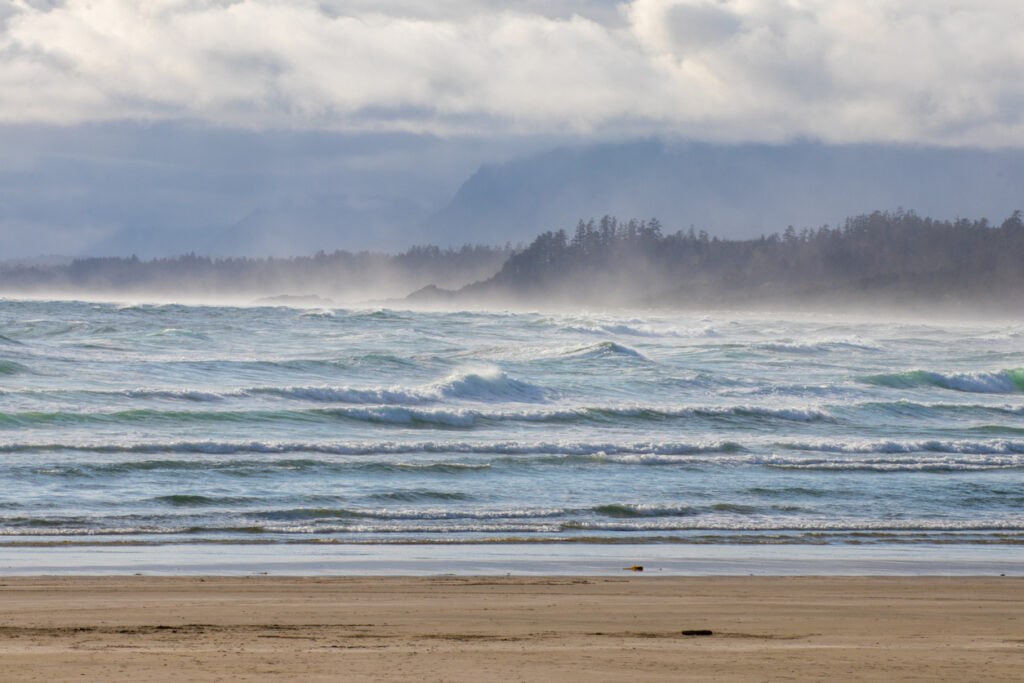 Photo by iStock
Vancouver Island: Coastal Calm Before Peak Season
Spring arrives early on Vancouver Island, often bringing blossoms by late March and temperatures that can climb into the high teens on sunny days. It’s an ideal time to explore destinations like Tofino and Ucluelet without the summer crowds that fill beaches and trails.
While storm-watching season is winding down, dramatic skies and quiet shorelines remain. In Victoria, gardens are in bloom and the city’s waterfront pathways feel lively but not crowded. The island’s appeal lies in its balance: wild coastline, old-growth rainforest and welcoming communities that are easier to enjoy when visitor numbers are lower.
With its relatively mild climate, Vancouver Island is one of the most reliable shoulder-season destinations in the province.
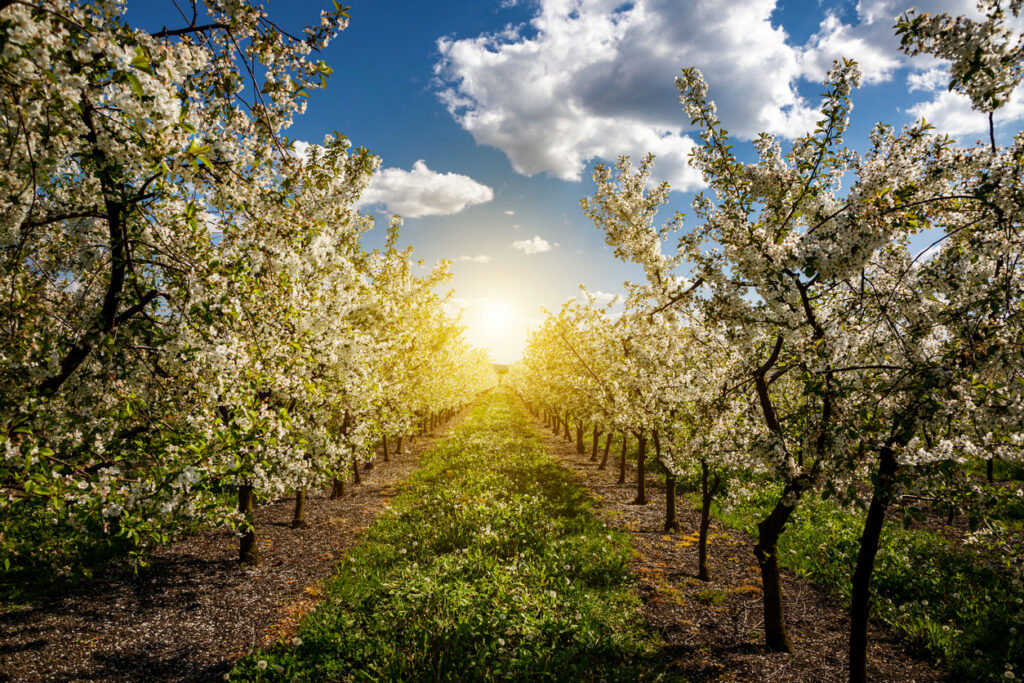 Photo by iStock
The Okanagan Valley: Wine Country Without The Heat
In summer, the Okanagan is synonymous with heat, busy beaches and packed wineries. But visit in May or September, and the experience shifts.
Spring brings orchard blossoms and quieter tasting rooms, while early fall coincides with harvest season, when vineyards are at their most active. September, in particular, offers warm days, cooler evenings and fewer tourists, making it one of the most rewarding times to visit.
Without the peak-season heat – temperatures can climb well above 30°C in midsummer – the region becomes more comfortable for cycling, hiking and exploring lakeside towns at a slower pace.
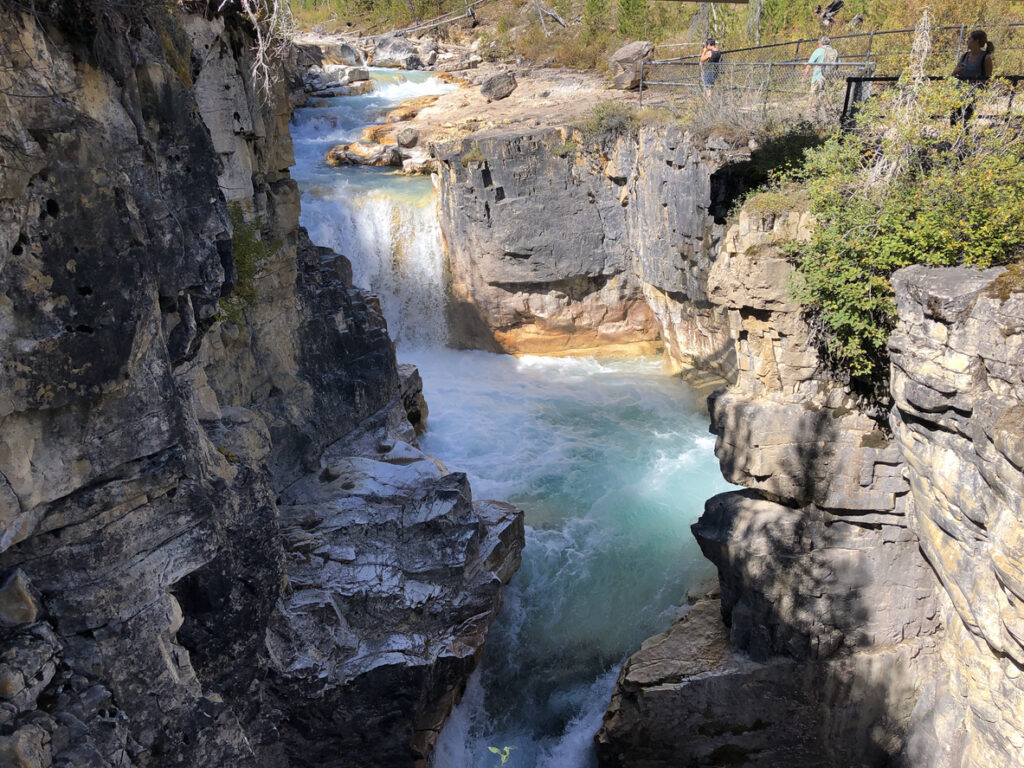 Photo by iStock
The Kootenays: Mountain Towns In Transition
Tucked into BC’s southeastern corner, the Kootenays offer a quieter, more introspective version of the province’s mountain experience.
In late spring, waterfalls run high and trails begin to open. By early fall, golden larches and crisp alpine air signal one of the most beautiful times of year in the mountains. Communities like Nelson and Rossland maintain their creative, small-town energy year-round, but shoulder season is when they feel most relaxed.
Outdoor opportunities remain abundant – hiking, paddling and cycling – without the peak-season crowds found in more heavily trafficked mountain destinations.
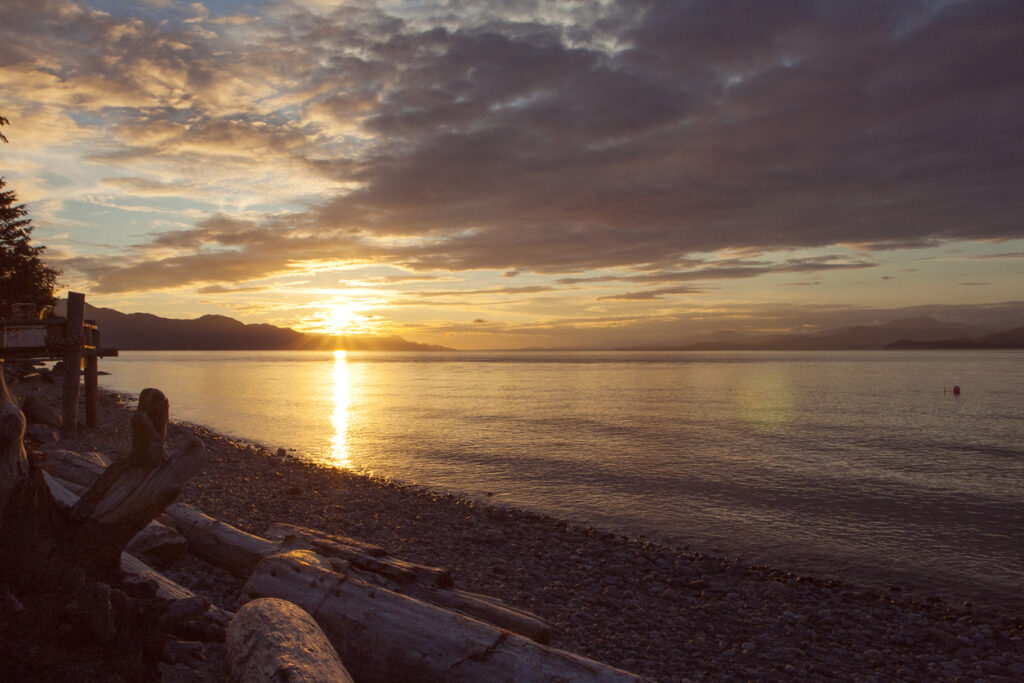 Photo by iStock
The Sunshine Coast: Easy Access, Fewer People
Just a short ferry ride from Vancouver, the Sunshine Coast feels like a true getaway – especially outside of summer.
Known for its relatively sunny climate, the region offers coastal hiking, art communities and ocean views without the congestion of peak season. Spring is ideal for exploring forested trails and coastal lookouts, while fall brings a slower pace and lingering warmth.
Because the Sunshine Coast tends to see less rainfall than nearby Vancouver, it’s a dependable option for shoulder-season travel when weather elsewhere can be less predictable.
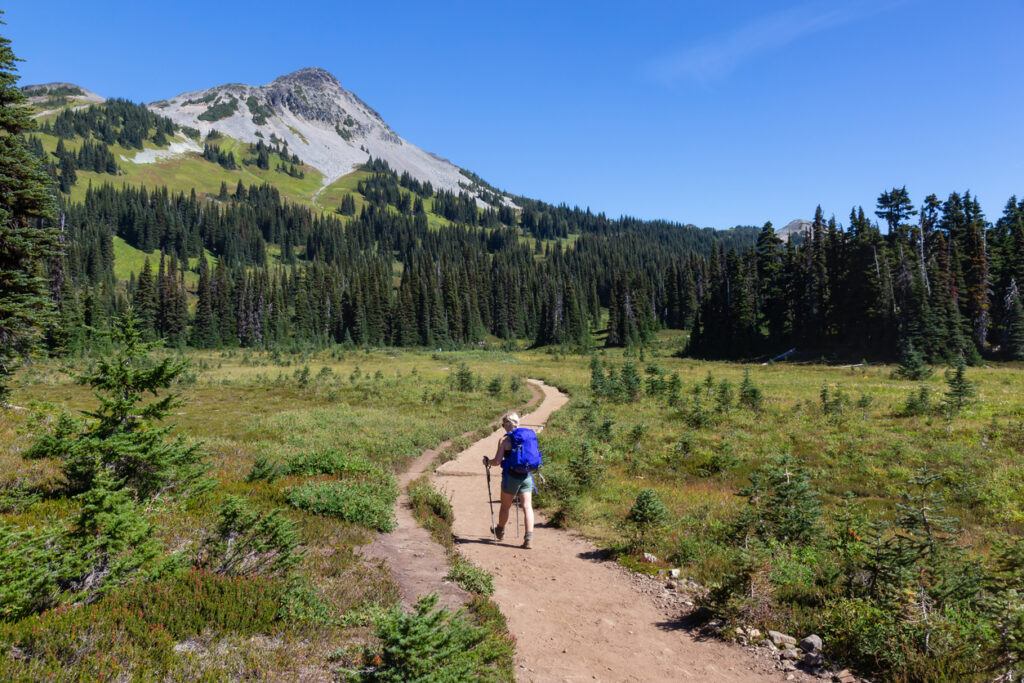 Photo by iStock
Whistler & The Sea-To-Sky Corridor: Between Seasons, Fully Alive
Whistler may be best known for skiing and summer mountain biking, but its shoulder seasons offer something different: space.
In late spring, waterfalls surge with snowmelt and trails gradually reopen. By early fall, hiking conditions are often ideal, with fewer crowds and clear alpine views that can stretch well into October. Along the Sea-to-Sky Highway, stops like Squamish and Porteau Cove are easier to access and enjoy when traffic eases.
It’s a time when the landscape feels less busy – and more like the wild BC it’s known for.
Why Shoulder Season Works
In a province defined by its natural beauty, timing can transform the experience. While summer offers long days and reliable sunshine, it also brings peak demand, higher prices and crowded destinations.
Shoulder season, by contrast, delivers a quieter, more personal version of British Columbia. Travellers benefit from fewer crowds, better availability and often more affordable accommodations, all while still enjoying favourable weather.
It’s also a time of transition – when spring brings renewal and fall offers reflection – adding an extra layer of atmosphere to every trip.
The Takeaway
If summer is when BC is at its busiest, the shoulder season is when it feels most like itself.
Whether it’s walking an empty beach on Vancouver Island, sipping wine during harvest in the Okanagan or hiking beneath golden larches in the Kootenays, these quieter months offer something increasingly rare: space to experience the province without the crowds.
And for those willing to travel just before – or just after – the rush, that might be the best time of all.