
British Columbia is betting big on tourism as a cornerstone of its economic future, with the provincial government rolling out a new strategy aimed at doubling visitor spending over the next decade while strengthening communities across the province.
The newly launched Look West: Tourism Sector Action Plan positions tourism as a key driver of economic diversification, with a goal of reaching $48 billion in annual visitor spending by 2036.
 Photo by iStock
Whistler Mountain.
“With its stunning landscapes, diverse cultures and vibrant communities, British Columbia is a world-class destination,” said Anne Kang, minister of tourism, arts, culture and sport. “This plan taps into the full potential of BC’s tourism sector as one of our province’s most dynamic industries and a vital engine of economic growth. Many communities rely on a thriving visitor economy, and by bolstering this sector, we’re supporting strong, vibrant communities while building long-term opportunity and stability for individuals and families in British Columbia.”
At its core, the plan outlines a multi-pronged approach to raise BC’s global profile, attract high-value international travellers and unlock development opportunities – particularly in mountain resorts, adventure tourism and outdoor recreation. It also emphasizes faster approvals for tourism projects and a stronger focus on rural economic development.
“Now more than ever, people are choosing to spend their tourism dollars in Canada, and it’s vital that we have the right plan in place to make sure people and businesses in BC benefit,” said Ravi Kahlon, minister of jobs and economic growth. “That’s why, through our Look West strategy, we’re setting a clear path to grow BC’s visitor economy and double tourism revenues over the next decade, building long-term prosperity for communities throughout BC.”
A significant pillar of the strategy is the continued expansion of Indigenous tourism, which has become a defining feature of BC’s global tourism identity. One in four visitors to the province is seeking authentic Indigenous experiences, contributing $1.1 billion annually and supporting more than 400 businesses and approximately 10,000 jobs.
“Supporting the continued growth of Indigenous tourism, a powerful driver of BC’s global tourism brand, is essential to achieving the vision of doubling tourism revenues and strengthening our economy,” said Paula Amos, chief marketing and development officer, Indigenous Tourism BC. “Indigenous tourism strengthens sustainable economic growth, cultural revitalization and community prosperity. By capturing international interest and unlocking new investment, we are positioning BC as a premier destination while creating jobs and strengthening rural communities.”
The province also aims to capitalize on major global events, including FIFA World Cup 26, by positioning BC as a leading host for conferences, sporting competitions and cultural gatherings – moves expected to drive local economies and create jobs.
Ensuring smaller communities share in the benefits is another central focus. Improved transportation access, enhanced regional tourism offerings and support for local events are all intended to bring more visitors – and economic activity – to rural and remote areas.
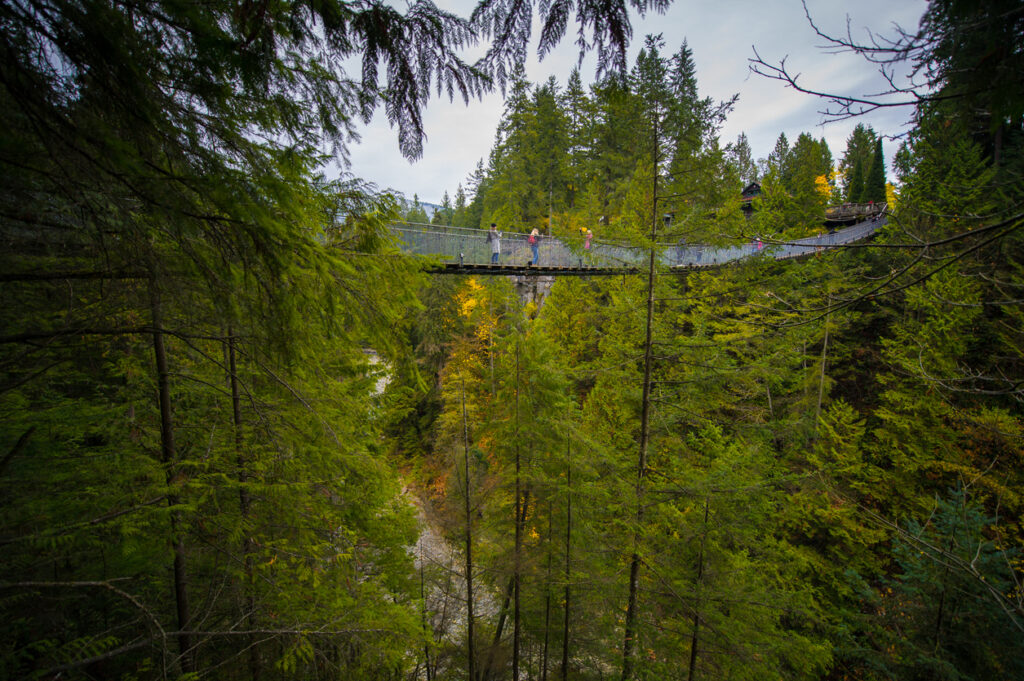 Photo by iStock
Capilano suspension bridge in Vancouver.
“This action plan gives rural and smaller communities a real chance to thrive. By improving transportation access and supporting regional tourism and local events, it helps bring more visitors and more economic activity to every corner of the province. For more rural and remote communities, this means stronger businesses, more jobs and new opportunities for people to build their lives close to home,” said Steve Morissette, parliamentary secretary for rural development and MLA for Kootenay-Monashee.
Industry leaders say the plan provides much-needed direction for growth in a sector that remains a major employer and economic contributor.
“Launching this action plan is a positive step toward strengthening the foundation for tourism operators in every part of the province to grow and create jobs, and it offers our industry clear direction and better conditions to attract investment, improve access and welcome visitors throughout the year,” said Amber Papou, CEO of the Tourism Industry Association of BC.
“The Tourism Sector Action Plan recognizes the vital role tourism plays in all communities across British Columbia, from our world-class cities to small towns and remote destinations. This strategy provides a clear pathway toward achieving the province’s $48 billion economic impact goal by 2036. Hotels remain the foundation of the visitor experience, welcoming travellers from across Canada and around the world – supporting jobs, investment and sustainable growth,” added Paul Hawes, president and CEO of the BC Hotel Association.
“Tourism is a vital driver of jobs, provincial tax revenue, exports and community well-being across British Columbia, and this plan sets a clear path to strengthen our global competitiveness. Aligned with this vision and our shared goal to double tourism revenues by 2036, Destination BC is focused on growing benefits in every region of the province. Together, we will elevate the Super, Natural British Columbia brand and position BC as the most compelling destination in the world,” said Richard Porges, president and CEO of Destination BC.
Currently, tourism generates approximately $23 billion in annual revenue in British Columbia, contributing $8 billion to the province’s GDP. The sector includes nearly 17,000 businesses and supports more than 113,000 direct jobs, rising to nearly 163,000 when indirect and induced employment is included.
The action plan is built around five key pillars: marketing BC as a top-tier destination; improving access through expanded air service and travel corridors; leveraging major events; attracting private-sector investment; and creating a more supportive business climate for tourism operators.
As global competition for travellers intensifies, the province’s strategy signals a long-term commitment to ensuring tourism remains not only a signature part of BC’s identity, but a driving force behind its economic resilience.