Winter In BC Isn’t Quiet – You Just Have To Know Where To Look
Once the snow flies, many people assume wildlife watching is over until spring. In reality, winter can be one of the best seasons to see wildlife in BC, especially close to cities. Leaves are off the trees, animals concentrate around food and coastal waters are full of life.
Here are three easy winter wildlife encounters you can have without a long drive or backcountry adventure.
-
Bald Eagles On The Rivers
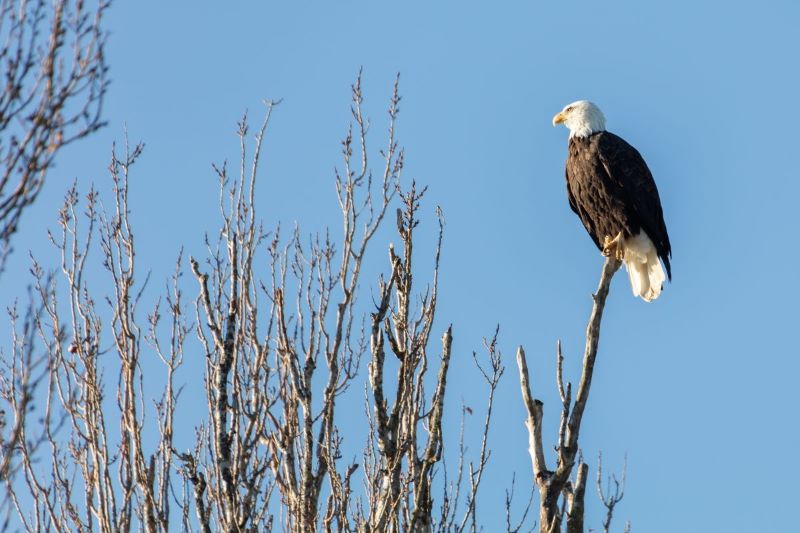
Every winter, thousands of bald eagles gather along salmon rivers in southern BC to feed on spawned-out fish. The Squamish and Cheakamus rivers around Brackendale are internationally known for hosting one of the largest concentrations of wintering bald eagles in North America, typically from late November through January.
What’s Going On?
After fall salmon runs, carcasses litter the gravel bars. Eagles migrate from across the Pacific Northwest to take advantage of this huge calorie boost when food is otherwise scarce. Counts in the Squamish/Brackendale area regularly reach into the hundreds and have historically topped over 3,000 birds in peak years.
Easy Access Viewing Spots
- Brackendale Eagle Provincial Park/Squamish River dyke – Viewing pullouts and walking trails just minutes from Squamish.
- Sea to Sky Highway pullouts near Squamish – Look for birds perched in cottonwoods or circling over the valley.
Tourism and birding resources emphasize that you can see eagles right from designated viewing areas without needing a boat or long hike.
How To Watch Responsibly
- Bring binoculars or a spotting scope and stay on dykes, trails or viewing platforms.
- Avoid approaching carcasses; flushed eagles waste valuable energy in winter.
- Obey any posted notices from local stewardship groups about closed side channels or sensitive areas.
-
Urban Ducks, Gulls & “Surprise” Winter Birds
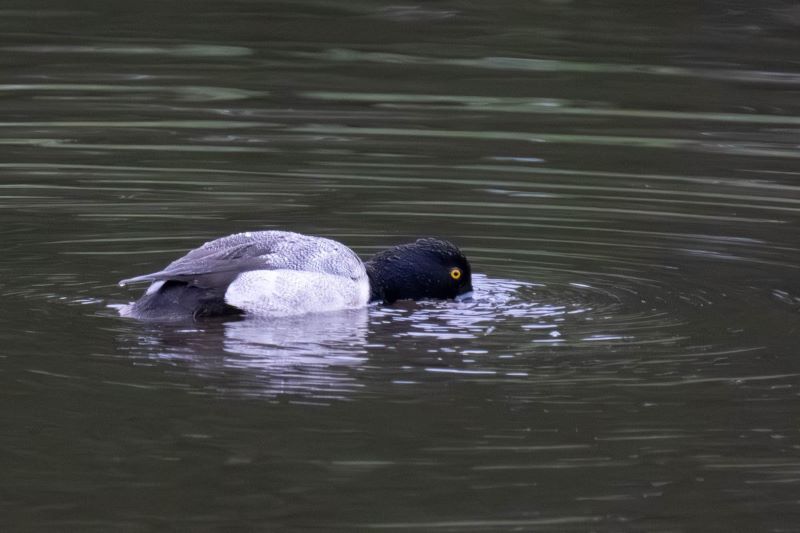
You don’t need to leave the city to enjoy winter wildlife in BC. Coastal parks such as Stanley Park in Vancouver, Esquimalt Lagoon near Victoria and ponds in communities across the province host dense flocks of ducks, geese and other waterbirds all winter long.
What You Might See
At places like Lost Lagoon and the Stanley Park seawall, winter bird surveys regularly record:
- Diving ducks such as scaup and goldeneye
- Dabblers like wigeon and mallards
- Great blue herons stalking the shallows
- Rafts of sea ducks (for example, surf scoters) just offshore
One of the most surprising winter residents is the Anna’s hummingbird. Once a bird of the US southwest, this species has expanded northward over recent decades and now overwinters in the Lower Mainland and on Vancouver Island, relying on both wild flowers and backyard feeders. To survive cold nights, Anna’s hummingbirds enter torpor, a mini hibernation where heart rate and body temperature drop dramatically until morning.
Easy Access Viewing Spots
- Stanley Park, Vancouver – Lost Lagoon, Beaver Lake and the seawall are classic winter birding locations.
- Reifel Migratory Bird Sanctuary (Ladner) – Managed wetlands with level trails and viewing blinds; top winter bird destination for the region.
- Local ponds and estuaries province-wide – Many BC municipalities promote birding at urban lakes, rivers and wetlands.
How To Watch Responsibly
- Skip the bread. Experts recommend against feeding ducks processed foods; it’s poor nutrition and can cause health problems.
- Keep dogs leashed around flocks, especially in protected areas.
- If you use hummingbird feeders, keep them clean and maintain them through cold snaps so birds don’t waste energy visiting frozen sugar water.
-
Harbour Seals Along the Coast
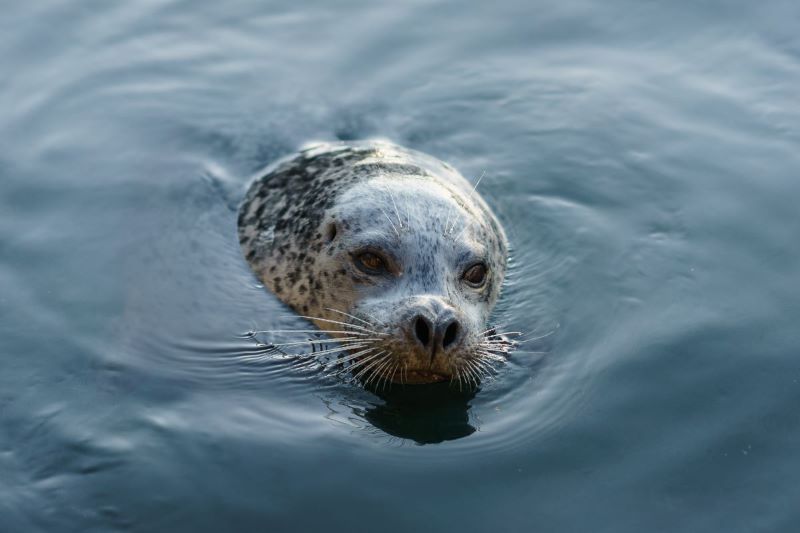
Harbour seals are one of BC’s most familiar marine mammals. They’re found along all coastal regions of the province and can be seen year-round, including winter, often just metres from shore.
Winter Life Of A Harbour Seal
Harbour seals are perfectly adapted to cold Pacific water. A thick layer of blubber insulates their bodies, while their mottled coat camouflages them against rocky shorelines.
Around Vancouver and southern Vancouver Island, seals commonly haul out to rest on:
- Rock outcrops and islets
- Log booms and docks
- Quiet floats in marinas and harbours
Operators running winter harbour or wildlife tours routinely list harbour seals among the most reliable species to see, even outside peak whale season.
Easy Access Viewing Spots
- Vancouver – False Creek, English Bay, Burrard Inlet and around Stanley Park’s seawall viewpoints.
- Victoria – Inner Harbour and Fisherman’s Wharf, plus nearby rocky shorelines.
- Coastal communities across BC – Any harbour, float or sheltered bay is worth a scan with binoculars.
How To Watch Responsibly
Marine mammal guidelines emphasize giving seals space so they don’t feel threatened and rush into the water, burning energy and risking injury. General recommendations are to stay at least 100 metres away by boat, kayak or paddleboard, and to keep noise to a minimum when they’re hauled out.
Never feed seals from docks or tour boats; this can alter their behaviour, increase aggression and lead to conflicts that ultimately harm the animals.
Gear & Safety For Winter Wildlife Viewing
You don’t need much to enjoy these close-to-home encounters, but a few basics make winter days outside more comfortable:
- Layered clothing – Base, insulating and waterproof outer layer. Coastal BC winters are often wet and windy.
- Footwear with grip – Trails and docks can be icy.
- Binoculars or a spotting scope – Essential for viewing eagles and seals without crowding them.
- Weather and tide checks – Especially on exposed coastlines or river dykes. Local tourism sites and parks pages often post conditions and safety notices.
Turning Winter Into Your New Favourite Wildlife Season
From bald eagles on salmon rivers to busy city duck ponds and harbour seals lounging on log booms, British Columbia’s wildlife doesn’t shut down when temperatures drop. In many ways, winter actually makes animals easier to see – and you don’t have to travel far from home to enjoy it.
With a bit of planning and a respectful approach, these three winter wildlife encounters can become annual traditions for anyone who wants to stay connected to the outdoors year-round.